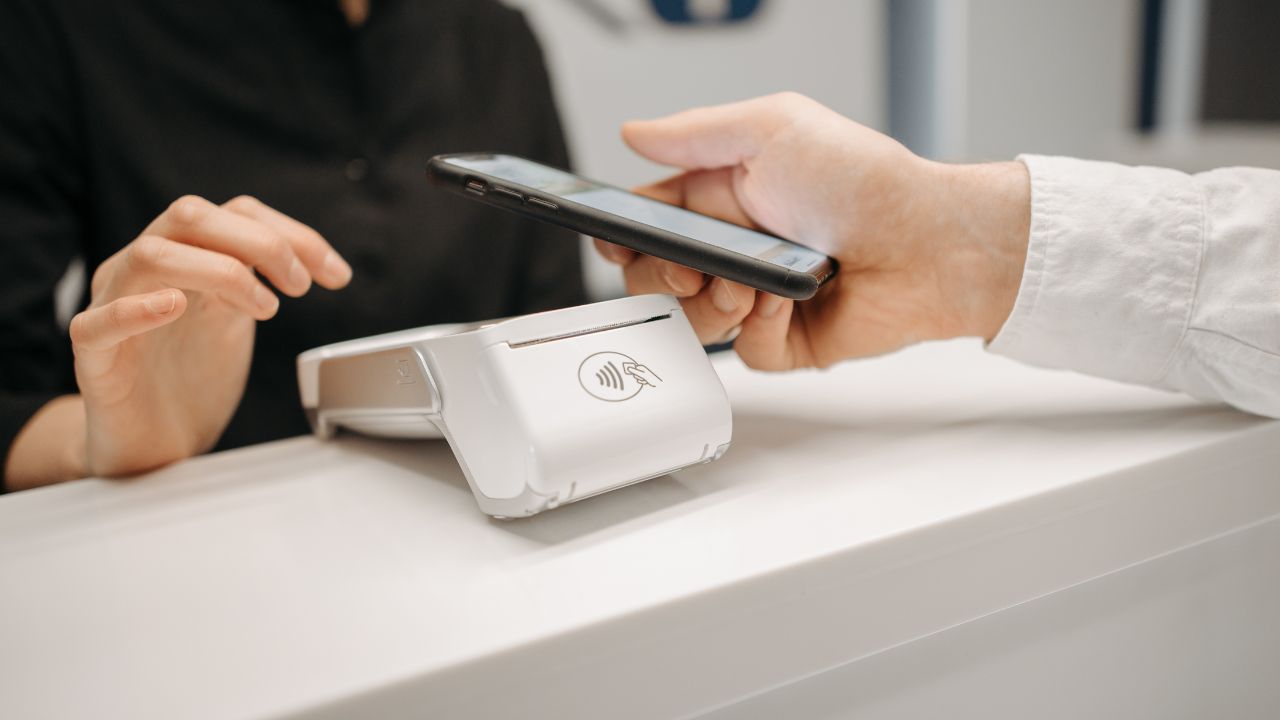
Here is a common example. A freelancer signs up for a “virtual credit card” to pay for design software, expecting a small credit line that will help build a credit history. A week later she realizes she has to load money before every purchase, nothing is reported to a credit bureau, and the card is prepaid. Nothing went wrong with the card. The name just set the wrong expectation.
The words “virtual”, “debit”, “credit” and “prepaid” get mixed together constantly, partly because “VCC” (virtual credit card) has become shorthand for almost any card number that lives in an app. The difference matters, because it decides what you pay, what happens if the number is stolen and whether you can overspend. This guide explains the three card types in plain terms and gives you a quick way to choose.
Virtual is the format, not the type
“Virtual” only describes how the card is delivered: a card number, expiry date and security code shown in an app or dashboard, with no plastic. Behind every virtual card sits one of three funding models, the same ones used by physical cards. The question that separates them is simple: where does the money come from when you pay?
Virtual credit card: borrowed money
A virtual credit card draws on a line of credit from a lender. You pay later, usually through a monthly statement, and any balance you carry may accrue interest. Many banks let existing credit cardholders generate virtual numbers linked to the main account. Getting the underlying credit card normally involves a credit check, and how you use it can affect your credit history.
Virtual debit card: your own bank money
A virtual debit card takes money straight from a linked bank or e-money account. There is no credit line and no interest, but each payment reduces your account balance right away. If the number is misused, the money that leaves is yours until the dispute is resolved.
Virtual prepaid card: money you load first
A prepaid card spends only what has been loaded onto it in advance. There is no credit line and no direct link to your bank account. When the funds run out, payments decline. That makes prepaid cards a natural ceiling for subscriptions, trials and online purchases where you want a fixed maximum.
Side-by-side comparison
| Feature | Virtual credit | Virtual debit | Virtual prepaid |
|---|---|---|---|
| Source of funds | Lender’s credit line | Your linked account | Balance loaded in advance |
| Credit check to get one | Usually, for the underlying card | No, but you need an eligible account | No credit line, though identity checks may apply |
| Interest | Possible on carried balances | None | None |
| Can you overspend? | Up to the credit limit | Up to the account balance, plus any overdraft | No, only the loaded amount |
| Effect on credit history | Can build or damage it | Generally none | Generally none |
| If the number is stolen | Lender’s money is at risk first | Your account money is at risk | Only the money on that card |
| Typical best use | Large purchases, rewards, building credit | Everyday spending from your account | Subscriptions, trials, fixed budgets, separating spend |
Protections are not the same everywhere
In the US, the rules differ by card type. According to the CFPB’s guidance on lost or stolen credit cards, you are not responsible for charges if you report a lost card before it is used, your liability is capped at $50 otherwise, and if only the number is stolen you generally aren’t liable at all. Debit card liability depends on how quickly you report: the CFPB says it can rise to $500 or more if you wait longer than two business days after learning of the loss. For prepaid accounts, the CFPB extended similar error-resolution and liability protections through its prepaid rule, with liability limited to $50 when you report promptly.
Two caveats. These are US rules for US-regulated accounts. Outside the US, and with providers based elsewhere, protections depend on the issuer and its country, so read the provider’s terms. And card agreements can be more generous than the legal minimum, so check yours.
Why providers blur the terms
Search habits are a big part of it. “Virtual credit card” is the phrase many people type, so providers often use VCC as a category name even when their cards are prepaid or debit-style. Prepaid and debit cards also run on the same Visa and Mastercard networks as credit cards and are entered at checkout the same way, which adds to the confusion. Acceptance at checkout tells you nothing about the funding model. The provider’s terms do.
Questions that reveal the real card type
- Do I repay a statement later, or do I fund the card first?
- Is there a credit limit set by a lender, or a balance I load?
- Is the card linked to my bank account?
- Can I be charged interest?
- What happens to a refund: does it go to a statement, an account or the card balance?
Which type do you need? A quick decision framework
- Do you want to build credit history or earn card rewards? Choose a virtual number linked to a credit card, and pay the statement in full.
- Do you want spending to come straight from your account with no extra product? A virtual debit card from your bank or account provider is the simplest option.
- Do you want a hard ceiling that can’t be exceeded? Choose prepaid. It suits subscriptions, trials and tools that bill on usage.
- Do you want separate cards for separate services, clients or projects? Any type can work, but prepaid makes each card’s maximum loss equal to its balance.
- Do you lack access to local credit or debit options that work abroad? A prepaid card in the currency your services bill in is often the practical answer.
Many people end up with more than one. A common pattern is a credit card for large purchases and travel, a debit card for daily spending, and prepaid virtual cards for online subscriptions and tools.
Example: what a prepaid VCC provider looks like
ZenVCC is a useful example of the prepaid category, because it uses the common “VCC” name but is clear about the model. It describes itself as a technology platform, not a bank, and it offers no credit line. ZenVCC’s explainer on what a VCC is notes that most VCCs used for advertising are prepaid or debit-style cards you fund in advance.
Here is how the model works in practice:
- Funding: you add crypto (Bitcoin, USDT on TRC-20 or Solana, TRX or SOL) to one account balance. Each deposit is checked on its blockchain before it is credited in US dollars.
- Cards: you buy virtual Visa, Mastercard, American Express or Maestro cards from that balance, one per subscription, client or project if you like. Most are prepaid. One exception, the Cloud Debit Mastercard, is a bank-issued debit card loaded with a fixed amount, which shows that even one provider’s catalog can mix card types.
- Costs: each card has its price plus a one-time $10 issue fee, each payment costs $0.10, and there is no monthly fee.
- Ceiling: a card can’t pay more than it holds, and there is nothing to repay later.
- Validity: cards last three years from the day they are ready.
- Identity: ZenVCC may ask you to verify your identity before you buy a card.
What it doesn’t do matters too. There is no credit line, so it won’t build credit history, it doesn’t offer in-app spend limits or card freezing, and its cards can’t complete payments that ask for a 3-D Secure code. It fits the prepaid column in the table above: a fixed amount, spent online, kept separate from your bank account.
Common mistakes
- Assuming “VCC” means credit. Check the funding model before you rely on it for credit building or rewards.
- Using a debit card for risky one-off purchases. A misused debit number drains your real account while the dispute runs.
- Expecting prepaid cards to work everywhere. Each merchant decides which cards it accepts, and some exclude prepaid cards for certain billing types.
- Treating a prepaid card as a way around rules. Card type doesn’t change a merchant’s terms, a platform’s policies or your tax obligations.
Key takeaways
- “Virtual” is the delivery format. Credit, debit and prepaid describe where the money comes from.
- Credit uses a lender’s money, debit uses your account, prepaid uses a balance you load first.
- Only prepaid gives a ceiling you can’t exceed, which suits subscriptions and fixed budgets.
- Protections differ by card type and by country, so read the provider’s terms.
- Many people use more than one type, each for the job it does best.
Before you sign up for any virtual card, ask the five questions above and match the answer to what you need. If a prepaid card is the right fit for your online payments, see how ZenVCC structures its prepaid virtual cards and fees.