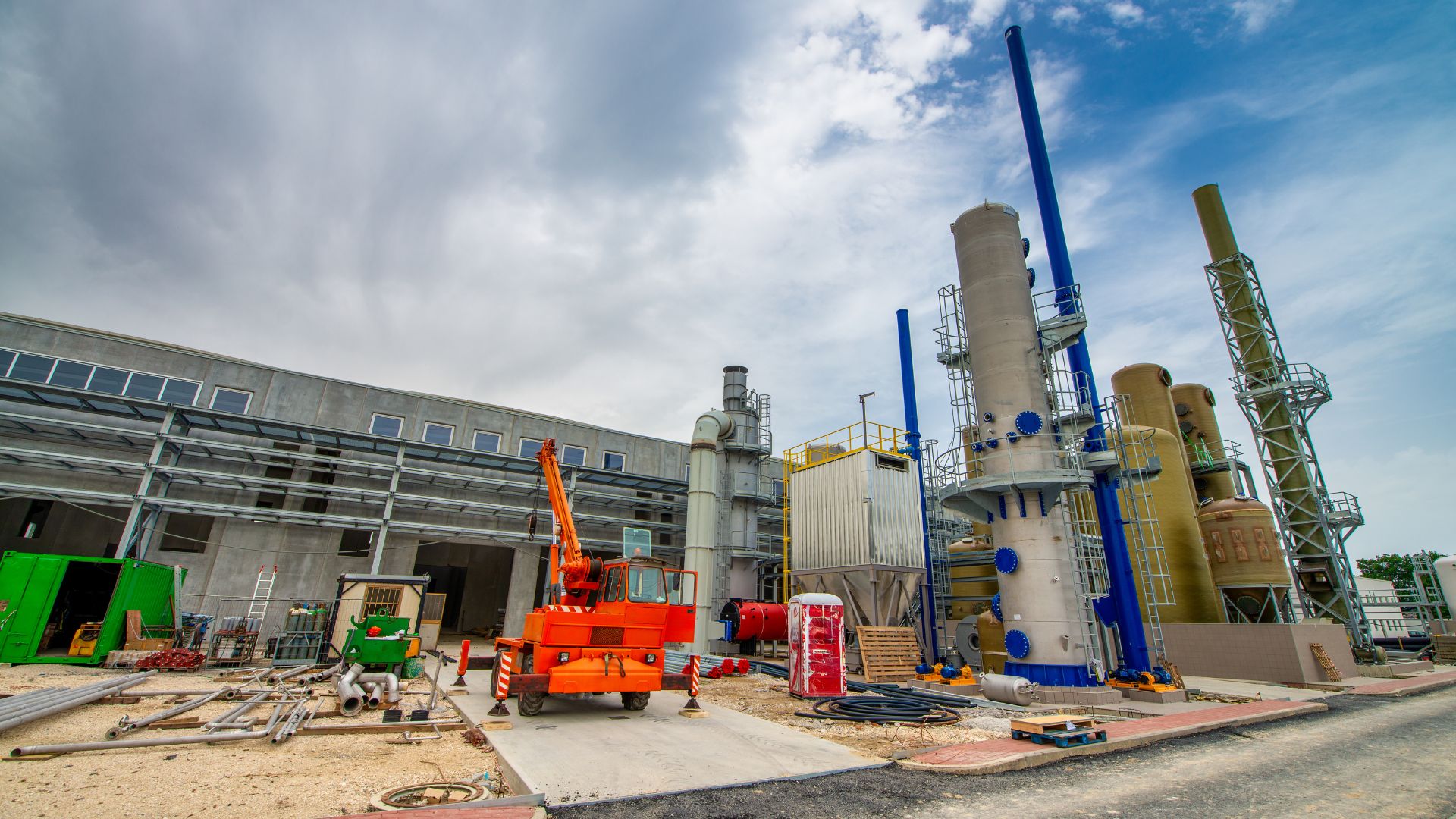
Industrial infrastructure supports core sectors such as mining, energy, transport, and manufacturing. In Western Australia, large-scale industrial systems require structured design, controlled construction, and long-term maintenance to ensure operational stability and compliance with engineering standards.
Industrial infrastructure services in Western Australia include end-to-end solutions covering planning, engineering design, construction execution, asset maintenance, and system upgrades for industrial facilities.
This service model supports heavy industries operating in remote and high-demand environments with strict safety and performance requirements.
Industrial Infrastructure Design Framework
Design is the first stage of industrial infrastructure development. It involves site assessment, structural planning, and technical engineering documentation.
Engineering teams analyze soil conditions, load requirements, and environmental factors. Digital tools such as CAD and BIM systems are used to create detailed infrastructure models.
Industrial infrastructure services in Western Australia apply standardized engineering codes and regional compliance frameworks to ensure structural reliability and safety in industrial projects.
Design outputs typically include:
- Structural layouts for plants and facilities
- Electrical and mechanical system plans
- Water and drainage system design
- Safety and compliance documentation
Construction and Build Execution
Construction involves the physical development of industrial infrastructure systems. This includes civil works, structural assembly, and installation of mechanical and electrical systems.
Materials used in industrial construction include reinforced concrete, structural steel, and corrosion-resistant alloys. These materials are selected based on load capacity and environmental exposure.
Industrial infrastructure services in Western Australia ensure construction processes follow engineering specifications, safety regulations, and project timelines.
Construction phases include:
- Site preparation and earthworks
- Structural foundation installation
- Mechanical and electrical integration
- System testing and commissioning
Maintenance and Asset Management Systems
Maintenance ensures long-term functionality and reduces operational failures. It includes preventive, corrective, and predictive maintenance strategies.
Sensor-based monitoring systems track equipment performance in real time. Data analytics tools identify wear patterns and potential failures.
Industrial infrastructure services in Western Australia use structured maintenance schedules to extend asset lifespan and improve system reliability.
Maintenance activities include:
- Equipment inspection and servicing
- Component replacement
- System calibration
- Performance optimization
Material Engineering and Structural Performance
Material selection is based on durability, load resistance, and environmental conditions. Industrial environments require materials that resist corrosion, heat, and mechanical stress.
Common materials include galvanized steel, high-strength concrete, and industrial-grade polymers. These materials are used in pipelines, storage facilities, and structural frameworks.
Industrial infrastructure services in Western Australia apply engineering standards to ensure material performance aligns with operational requirements.
Safety Standards and Regulatory Compliance
Industrial infrastructure projects follow safety codes and regulatory frameworks. These include occupational safety standards, environmental protection laws, and construction regulations.
Risk assessments are conducted at each stage of design and construction. Safety systems include fire protection, emergency shutdown systems, and hazard detection technologies.
Industrial infrastructure services in Western Australia integrate compliance checks to meet regulatory requirements and industry standards.
Industrial Applications Across Sectors
Industrial infrastructure supports multiple sectors in Western Australia.
Mining operations use infrastructure systems for mineral processing, material handling, and water management. Energy projects use pipelines, substations, and power distribution networks.
Manufacturing facilities depend on automated production systems and controlled environments. Transport and logistics sectors use warehousing and distribution infrastructure.
Industrial infrastructure services in Western Australia support these sectors with scalable and efficient engineering solutions.
FAQ
What is industrial infrastructure design
It is the planning and engineering process for industrial facilities and systems.
What does industrial infrastructure construction include
It includes civil works, structural building, and installation of mechanical and electrical systems.
Why is maintenance important in industrial infrastructure
It ensures system reliability, safety, and extended asset lifespan.
Which industries use industrial infrastructure in Western Australia
Mining, energy, manufacturing, and logistics sectors use these systems.
What technologies are used in industrial infrastructure projects
Technologies include CAD modeling, BIM systems, and sensor-based monitoring tools.
Conclusion
Industrial infrastructure development requires coordinated design, structured construction, and continuous maintenance. In Western Australia, these systems support large-scale industrial operations across multiple sectors.
Industrial infrastructure services in Western Australia provide engineering design, build execution, and maintenance systems that improve efficiency, safety, and operational performance. These services ensure industrial assets remain functional, compliant, and scalable for long-term use.