Category: Health Services

  • How Often Should You Get an Eye Exam? Experts Finally Explain

    How Often Should You Get an Eye Exam? Experts Finally Explain

    Your eyesight changes more gradually than most people realize, which is why many vision problems go unnoticed until they begin affecting daily life. From blurry reading vision and headaches to serious eye diseases like glaucoma and cataracts, regular eye exams play a critical role in protecting your vision and overall health. But how often should you actually schedule a comprehensive eye exam?

    According to eye care professionals, the answer depends on your age, lifestyle, medical history, and existing vision conditions. Children, adults, seniors, and contact lens wearers all require different schedules for a proper vision exam. In this guide, the experts at Arizona’s Vision Eye Care Center explain how often you should get an eye examination, what happens during a vision test, and why staying proactive with routine eye care can prevent long-term complications.

    Why Regular Eye Exams Matter

    A professional eye examination does far more than determine whether you need glasses. A thorough ocular health exam can detect early warning signs of serious conditions including diabetes, high blood pressure, glaucoma, cataracts, and retinal disease.

    Many eye conditions develop silently. Diseases like glaucoma may not show symptoms until permanent vision damage has already occurred. That’s why a routine eye exam is essential even if your vision seems normal.

    At a trusted vision center like Arizona’s Vision Eye Care Center, patients receive a full assessment that may include:

    • Visual acuity test
    • Refraction test
    • Retinal imaging
    • Pupil dilation exam
    • Tonometry eye test
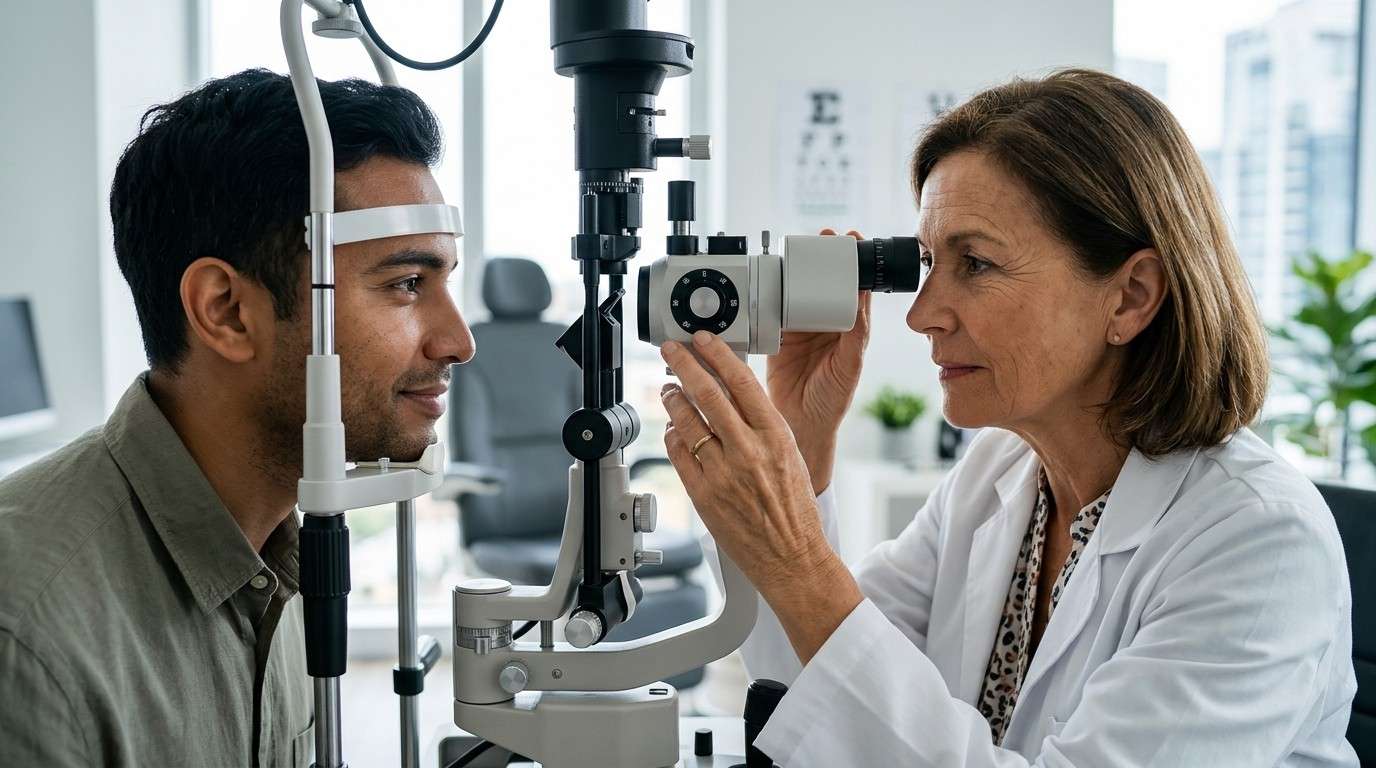
    • Slit lamp examination
    • Retina exam

    These evaluations help your eye care specialist monitor both vision clarity and overall eye health.

    How Often Adults Should Get an Eye Exam

    For most healthy adults between ages 18 and 60, experts recommend scheduling an annual eye exam every 1–2 years. However, some people should have more frequent visits depending on risk factors.

    Adults Ages 18–39

    If you have healthy vision and no known conditions, a routine eye exam every two years may be sufficient. However, individuals who wear contacts or glasses should usually schedule yearly appointments.

    You should also book an eye doctor appointment sooner if you notice:

    • Frequent headaches
    • Blurry vision
    • Eye strain
    • Difficulty driving at night
    • Dry eyes
    • Trouble focusing on screens

    Adults Ages 40–60

    After age 40, vision changes become more common due to aging. Reading difficulties, presbyopia, and increased risk of glaucoma often begin during this stage.

    Experts recommend a comprehensive eye exam every year to monitor:

    • Eye pressure
    • Retinal health
    • Cataract development
    • Nearsightedness test results
    • Farsightedness test changes
    • Astigmatism test measurements

    A yearly optometrist eye exam can catch problems before they become severe.

    Eye Exam Recommendations for Children

    An eye exam for children is extremely important because vision directly affects learning and development.

    Children should typically receive:

    • First exam at 6–12 months
    • Another exam at age 3
    • A full vision test before starting school
    • Annual exams during school years

    A pediatric eye exam can identify issues such as:

    • Lazy eye
    • Eye coordination problems
    • Color blindness test abnormalities
    • Focusing difficulties
    • Nearsightedness progression

    Parents often assume school screenings replace a professional eye screening, but school tests are limited and may miss significant conditions.

    How Often Seniors Need a Vision Exam

    An eye exam for seniors should typically happen every year. Adults over 60 face increased risk for:

    • Cataracts
    • Macular degeneration
    • Glaucoma
    • Diabetic eye disease

    A yearly ophthalmologist eye exam or optometry clinic visit helps preserve independence and quality of life.

    Seniors may also benefit from specialized screenings such as:

    • Glaucoma screening
    • Cataract screening
    • Retina exam
    • Diabetic eye exam

    Frequent monitoring is especially important for individuals with diabetes, hypertension, or a family history of eye disease.

    What Happens During a Comprehensive Eye Exam

    Many people search online for “what happens during an eye exam” before scheduling their first appointment. A professional comprehensive eye exam is simple, painless, and highly informative.

    During your visit, your provider may perform:

    Visual Acuity Testing

    This checks how clearly you see letters and objects at various distances.

    Refraction Testing

    A refraction test determines your eyeglass or contact lens prescription.

    Eye Pressure Testing

    A tonometry eye test screens for glaucoma by measuring pressure inside the eye.

    Slit Lamp Examination

    This magnified exam evaluates structures inside the eye for abnormalities.

    Retinal Imaging

    Advanced retinal imaging captures detailed photos of the retina to detect early disease.

    Pupil Dilation Exam

    A pupil dilation exam allows the doctor to inspect the optic nerve and retina more thoroughly.

    If needed, your provider may also recommend:

    • Dry eye exam
    • Contact lens fitting exam
    • DMV eye exam
    • Eye test for driving license
    • Glasses eye exam

    Signs You Need an Eye Checkup Sooner

    Even if your annual visit isn’t due yet, certain symptoms mean you should schedule an eye checkup immediately.

    Common Warning Signs

    • Sudden blurry vision
    • Double vision
    • Eye pain
    • Light sensitivity
    • Floaters or flashes
    • Persistent dryness
    • Frequent headaches

    Searching for an eye doctor near me quickly can help prevent serious complications if symptoms appear suddenly.

    Special Eye Exams for Medical Conditions

    Some patients need specialized monitoring due to health conditions or lifestyle factors.

    Diabetic Eye Exams

    A yearly diabetic eye exam is crucial because diabetes can damage blood vessels in the retina.

    Contact Lens Exams

    A contact lens exam evaluates eye health, lens fit, and prescription updates to reduce irritation and infection risks.

    Dry Eye Evaluations

    A dedicated dry eye exam helps identify tear film imbalance and treatment solutions.

    Driving and DMV Testing

    A DMV eye exam or eye test for driving license ensures drivers meet legal vision standards.

    Eye Exam Costs, Insurance, and Same-Day Options

    Many people delay care because they worry about eye exam cost. However, affordable options are widely available.

    Depending on the provider and testing required, patients may find:

    • Affordable eye exam packages
    • Cheap eye exam promotions
    • Eye exam deals
    • Eye exam with insurance
    • Flexible payment plans

    Some clinics also offer:

    • Walk-in eye exam
    • Same day eye exam
    • Online scheduling to book eye exam online

    At Arizona’s Vision Eye Care Center, patients can receive professional, personalized care designed for the entire family.

    Tips for Maintaining Healthy Vision Between Exams

    1. Limit Digital Eye Strain

    Follow the 20-20-20 rule when using screens.

    2. Wear UV Protection

    Quality sunglasses help prevent cataract development.

    3. Control Chronic Conditions

    Manage diabetes and blood pressure carefully.

    4. Stay Hydrated

    Proper hydration supports tear production and eye comfort.

    5. Eat Eye-Healthy Foods

    Leafy greens, fish, and colorful vegetables support retinal health.

    6. Avoid Smoking

    Smoking significantly increases cataract and macular degeneration risks.

    7. Don’t Ignore Symptoms

    Prompt care from an eye clinic can prevent worsening vision issues.

    FAQs About Eye Exams

    How often should you get an eye exam?

    Most adults should get a routine eye exam every 1–2 years, while seniors and individuals with eye conditions may need annual visits.

    What is included in a comprehensive eye exam?

    A comprehensive eye exam often includes a visual acuity test, refraction test, retinal imaging, glaucoma testing, and a full ocular health exam.

    Can I get an eye exam without insurance?

    Yes, many providers offer an eye exam without insurance at affordable rates or through promotional packages.

    How long does an eye examination take?

    Most appointments last between 30 and 60 minutes depending on the tests performed.

    Can I get glasses the same day as my exam?

    Some clinics provide eye exam and glasses same day services for qualifying prescriptions.

    What’s the difference between an eye screening and an eye exam?

    An eye screening is a basic vision check, while a professional eye examination is more detailed and evaluates overall eye health.

    Conclusion

    Regular eye exams are one of the most important steps you can take to protect your long-term vision and overall wellness. Whether you need a yearly vision exam, specialized glaucoma screening, or a pediatric evaluation for your child, proactive care helps detect issues before they become serious.At Arizona’s Vision Eye Care Center, patients receive compassionate, advanced care from experienced professionals dedicated to lifelong eye health. Whether you’re searching for a comprehensive eye exam near me, a contact lens exam, or a trusted family eye care provider, scheduling routine visits can make all the difference.

  • Urgent Care Services Near You: Fast & Reliable Help

    Urgent Care Services Near You: Fast & Reliable Help

    When you’re dealing with sudden illness or minor injuries, waiting days for a doctor’s appointment isn’t always an option. That’s where Urgent Care Services come in offering fast, convenient, and affordable healthcare without the long wait times of emergency rooms. Whether you need treatment for a fever, a sprained ankle, or a minor burn, urgent care clinics provide same-day medical care with no appointment required.

    For residents and visitors seeking dependable care, Honolulu Urgent Care Clinic – NIU Health delivers prompt, professional support when you need it most. In this guide, we’ll walk you through how to find the best urgent care clinic, what services to expect, and how to get quick medical help without stress.

    What Are Urgent Care Services?

    Urgent Care Services are designed to treat non-life-threatening conditions that still require prompt attention. These clinics bridge the gap between primary care physicians and hospital emergency rooms.

    You’ll typically find services such as:

    • walk-in urgent care visits
    • same-day doctor visits
    • express care services for minor illnesses
    • non-emergency medical care

    This makes them ideal for people who need quick medical help without scheduling delays.

    When to Choose Urgent Care Over Emergency Rooms

    Understanding where to go can save time, money, and stress.

    Visit an Urgent Care Clinic For:

    • urgent care for injuries like sprains or minor fractures
    • urgent care for infections such as UTIs or sinus infections
    • urgent care for flu and cold symptoms
    • urgent care for cuts and burns

    Choose Emergency Care Services For:

    • Chest pain
    • Severe bleeding
    • Difficulty breathing
    • Head trauma

    Urgent care clinics specialize in minor emergency care, not life-threatening conditions.

    Key Features of a Reliable Urgent Care Clinic

    Not all clinics are equal. A top-quality immediate care clinic should offer:

    • Walk-in doctor services (no appointment needed)
    • Short wait times or walk-in urgent care with no wait time
    • Extended hours or urgent care open now availability
    • Skilled medical staff
    • Clean and modern facilities

    Clinics like Honolulu Urgent Care Clinic – NIU Health are known for providing fast medical treatment with a patient-first approach.

    How to Find the Best Urgent Care Near You

    Searching for the right clinic can feel overwhelming, especially in urgent situations.

    Use These Strategies:

    1. Search Online Smartly

    Use phrases like:

    • urgent care near me
    • best urgent care clinic near me open now
    • nearby urgent care center

    2. Check Reviews & Ratings

    Look for consistent feedback about:

    • Wait times
    • Staff professionalism
    • Treatment quality

    3. Verify Hours

    Some clinics offer 24/7 urgent care clinic services or are open late, which is ideal for emergencies outside business hours.

    4. Look for Local Expertise

    Searching urgent care or local urgent care services helps you find trusted providers in your area.

    Services Offered at Urgent Care Clinics

    Modern quick care clinics provide a wide range of treatments, including:

    General Medical Care

    • same-day urgent care appointment
    • same-day doctor visit
    • no appointment doctor access

    Illness Treatment

    • Flu, cold, and infections
    • Allergies and asthma

    Injury Care

    • urgent care for minor injuries near me
    • Sprains, cuts, burns

    Pediatric Services

    • urgent pediatric urgent care for children

    These clinics are designed to handle most non-emergency medical care needs efficiently.

    Cost & Insurance Considerations

    One of the biggest advantages of urgent care is affordability.

    What to Expect:

    • Lower costs than ER visits
    • Transparent urgent care cost structures
    • Options for urgent care without insurance

    Many clinics offer:

    • low-cost urgent care
    • affordable walk-in clinic pricing
    • Even cheap urgent care near me options depending on location

    This makes urgent care accessible for a wide range of patients.

    FAQs

    1. What is the difference between urgent care and emergency care services?

    Urgent care handles minor conditions, while emergency rooms treat life-threatening situations.

    2. Can I visit urgent care without an appointment?

    Yes, most clinics offer walk-in urgent care and no appointment doctor services.

    3. How much does urgent care cost?

    Costs vary, but urgent care services are typically more affordable than ER visits and offer low-cost urgent care options.

    4. Is urgent care available late at night?

    Many clinics offer extended hours or operate as a 24/7 urgent care clinic.

    5. What conditions are treated at urgent care clinics?

    They treat infections, minor injuries, flu symptoms, and provide same-day medical care.

    Conclusion

    Finding fast and reliable Urgent Care Services doesn’t have to be complicated. By understanding what urgent care clinics offer and how to evaluate them, you can make confident decisions when medical needs arise. From walk-in doctor services to affordable urgent care, these clinics provide a practical alternative to emergency rooms for non-life-threatening conditions.If you’re in need of quick medical help, trust Honolulu Urgent Care Clinic – NIU Health for professional, compassionate, and efficient care. Walk in today for a same-day doctor visit and experience healthcare designed around your schedule.

  • LASIK Eye Surgery Recovery Timeline: What Happens Day by Day

    LASIK Eye Surgery Recovery Timeline: What Happens Day by Day

    LASIK Eye Surgery has transformed vision correction for millions of people who want freedom from glasses and contact lenses. If you’re considering laser eye surgery, one of the most common questions patients ask is about the LASIK eye surgery recovery timeline. Knowing what happens after the procedure helps you prepare and feel confident about your decision.

    Modern LASIK eye surgery procedures are quick, safe, and minimally invasive. Most patients experience noticeable vision improvement within 24 hours and complete recovery within a few weeks. However, each stage of healing has its own expectations and care guidelines.

    At Arizona’s Vision Eye Care Center, our experienced LASIK eye specialists guide patients through every step from the LASIK eye surgery consultation to full recovery. This guide explains exactly what happens day by day after LASIK surgery, so you know what to expect.

    Understanding LASIK Eye Surgery

    LASIK eye surgery (Laser-Assisted In Situ Keratomileusis) is a vision correction procedure that reshapes the cornea using a laser. It helps correct common refractive errors such as:

    • Myopia (nearsightedness)
    • Astigmatism
    • Hyperopia (farsightedness)

    Many patients choose best LASIK eye surgery options to eliminate their dependence on glasses or contact lenses. Modern techniques like bladeless LASIK, wavefront LASIK, and custom LASIK surgery make the treatment even more precise and personalized.

    Other alternatives to LASIK include PRK eye surgery and SMILE eye surgery, which may be recommended depending on the patient’s eye condition.

    LASIK Eye Surgery Procedure: What Happens During Surgery

    The LASIK eye surgery procedure is surprisingly quick and typically takes 10–15 minutes for both eyes.

    Step-by-Step Overview

    1. Preparation – Numbing eye drops are applied.
    2. Creating the Corneal Flap – A laser creates a thin flap on the cornea (bladeless LASIK).
    3. Cornea Reshaping – A second laser reshapes the cornea to correct vision.
    4. Flap Repositioning – The flap is placed back naturally without stitches.

    Many patients are relieved to learn that the painless LASIK eye surgery procedure involves minimal discomfort. Most people report only mild pressure during the treatment.

    Day-by-Day LASIK Eye Surgery Recovery Timeline

    Understanding the LASIK eye surgery recovery time helps patients feel prepared.

    Day 0 – Surgery Day

    Immediately after laser eye surgery, patients may experience:

    • Blurry or hazy vision
    • Mild burning or itching
    • Sensitivity to light
    • Watery eyes

    Doctors usually recommend resting your eyes and avoiding screens for several hours. Protective shields are often worn during sleep.

    Day 1 – First Post-Op Checkup

    By the next day:

    • Vision improves significantly
    • Most patients can resume light activities
    • The doctor checks healing progress

    Your LASIK eye doctor will confirm whether the corneal flap is healing properly.

    Days 2–3 – Vision Stabilization

    During this phase:

    • Vision continues improving
    • Dry eyes may occur
    • Artificial tears are recommended

    Many patients already notice the LASIK eye surgery before and after difference during this stage.

    Week 1 – Rapid Healing

    Within the first week:

    • Vision becomes clearer
    • Sensitivity to light reduces
    • Most daily activities can resume

    Your LASIK eye specialist may still advise avoiding swimming, eye makeup, and strenuous workouts.

    Weeks 2–4 – Vision Refinement

    By this time:

    • Vision stabilizes
    • Dryness gradually improves
    • Night glare or halos diminish

    This is when most patients enjoy the full LASIK eye surgery benefits.

    3–6 Months – Full Recovery

    Complete healing may take several months, though vision is typically excellent long before then.

    Doctors monitor:

    • Corneal stability
    • Visual clarity
    • Eye dryness levels

    LASIK Eye Surgery Benefits

    Patients choose LASIK eye surgery because of its many advantages.

    Key Benefits

    • Reduced dependence on glasses and contacts
    • Fast LASIK eye surgery recovery
    • High LASIK eye surgery success rate
    • Long-lasting results
    • Quick outpatient procedure

    Many patients describe LASIK as life-changing because it improves both convenience and quality of life.

    LASIK Eye Surgery Risks and Safety

    A common question is: Is LASIK eye surgery safe?

    LASIK is considered very safe when performed by an experienced LASIK eye doctor. However, like any medical procedure, there are potential LASIK eye surgery risks, including:

    • Dry eyes
    • Temporary glare or halos
    • Under-correction or over-correction
    • Light sensitivity

    Choosing the best LASIK surgeon significantly reduces these risks.

    LASIK for Myopia and Astigmatism

    Many patients ask: Can LASIK fix astigmatism?

    Yes. LASIK eye surgery for astigmatism reshapes the uneven cornea to correct distorted vision. It is also highly effective for LASIK eye surgery for myopia, which is the most common reason people seek treatment.

    Your eligibility will be determined during a LASIK eye surgery consultation.

    LASIK Eye Surgery Cost and Financing Options

    The cost of LASIK eye surgery varies depending on several factors:

    • Technology used
    • Surgeon experience
    • Clinic location
    • Custom treatment options

    Typical Pricing Factors

    • LASIK eye surgery price per eye
    • Technology such as wavefront LASIK
    • Surgeon expertise

    Many clinics offer LASIK surgery financing plans that make treatment more accessible. Patients searching for LASIK eye surgery cost for both eyes often find financing options helpful.

    While some people look for cheap LASIK eye surgery, choosing a reputable LASIK treatment center is more important than simply finding the lowest price.

    Choosing the Best LASIK Eye Surgery Clinic

    When searching for LASIK eye surgery near me, consider these factors:

    What to Look For

    • Experienced LASIK eye specialists
    • Advanced technology
    • Positive patient reviews
    • Transparent pricing
    • Comprehensive consultation

    At Arizona’s Vision Eye Care Center, patients receive personalized care from highly trained professionals who focus on safe, effective vision correction.

    Practical Recovery Tips for Faster Healing

    Follow these expert recommendations to improve your LASIK eye surgery recovery time:

    1. Use Prescribed Eye Drops

    They help prevent infection and reduce dryness.

    2. Avoid Rubbing Your Eyes

    This protects the corneal flap during early healing.

    3. Wear Protective Eyewear

    Especially during sleep in the first week.

    4. Limit Screen Time Initially

    Too much screen exposure can worsen dryness.

    5. Avoid Swimming for Two Weeks

    Water exposure may increase infection risk.

    6. Wear Sunglasses Outdoors

    This reduces light sensitivity and protects healing eyes.

    7. Attend All Follow-Up Visits

    Your LASIK eye doctor will monitor recovery progress.

    Frequently Asked Questions

    How long does LASIK surgery take?

    The LASIK eye surgery procedure typically takes 10–15 minutes for both eyes, though preparation and recovery time at the clinic may take about 90 minutes.

    Does LASIK hurt?

    No. Most patients report a painless LASIK eye surgery procedure due to numbing eye drops used during the treatment.

    Who is a candidate for LASIK?

    Good candidates typically:

    • Are over 18
    • Have stable vision
    • Have healthy corneas
    • Do not have severe eye diseases

    A LASIK eye surgery consultation determines eligibility.

    How long is LASIK recovery?

    Most patients return to normal activities within 24–48 hours, though full LASIK eye surgery recovery time may take several weeks.

    Is LASIK eye surgery safe?

    Yes. When performed by an experienced LASIK eye specialist, LASIK is one of the safest and most successful elective procedures.

    Can LASIK fix astigmatism?

    Yes. LASIK eye surgery for astigmatism can effectively correct irregular cornea shapes and improve vision clarity.

    Conclusion

    Understanding the LASIK eye surgery recovery timeline can help reduce anxiety and set realistic expectations. Most patients see dramatic vision improvement within days, with full healing occurring over several weeks.

    From consultation to recovery, choosing an experienced LASIK eye clinic makes a major difference in results and safety.If you’re considering laser eye surgery, the team at Arizona’s Vision Eye Care Center is here to help. Schedule a LASIK eye surgery consultation today to learn if you’re a candidate and take the first step toward clearer vision.