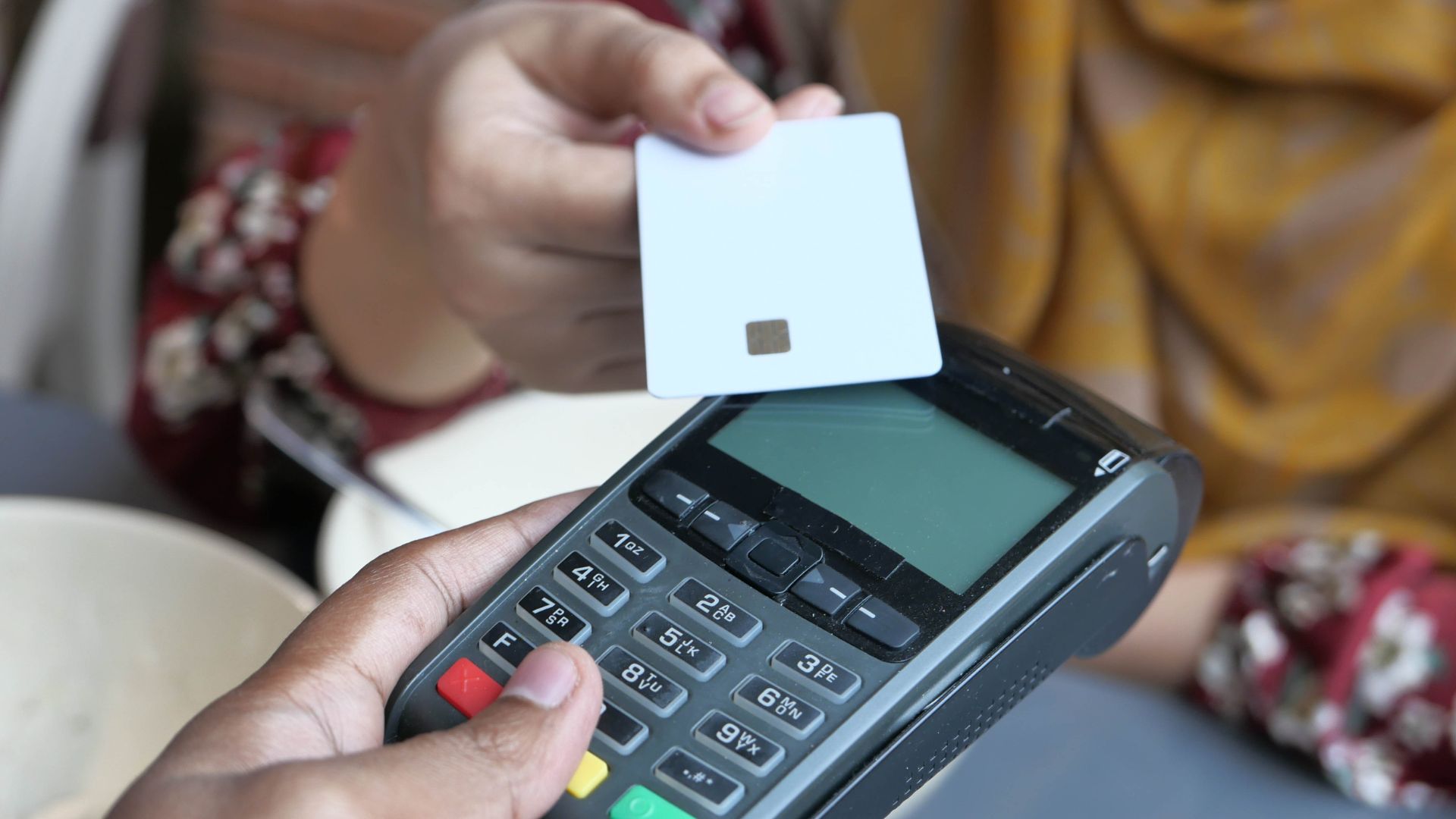
To obtain a virtual credit card in Spain, individuals can easily apply through various providers such as Revolut, N26, or BBVA. The process typically involves creating an account, verifying identity, and generating a card number within minutes. Users benefit from enhanced security, real-time notifications, and control over spending limits. It is advisable to assess provider features and fee structures before proceeding. Further insights on choosing the right provider and managing virtual cards are available.
What Is a Virtual Credit Card?
A virtual credit card is a digital representation of a traditional credit card, designed to enhance online security. It typically consists of a unique card number, expiration date, and CVV, all generated for specific online transactions.
Unlike physical cards, virtual credit cards are not made of plastic and cannot be used for in-person purchases. They aim to protect users by minimizing the risk of fraud during online transactions, as the card details can be easily managed and disposed of after use.
Additionally, virtual credit cards often allow users to set spending limits and expiration dates, providing further control over their financial activities. This innovative solution is particularly beneficial in an increasingly digital marketplace.
Benefits of Using a Virtual Credit Card in Spain
The use of virtual credit cards in Spain offers several distinct advantages.
Enhanced security features protect users against fraud, while allowing for instant online transactions simplifies the purchasing process.
Additionally, these cards facilitate easy expense management, making them a practical choice for both individuals and businesses.
Enhanced Security Features
Numerous advantages arise from utilizing virtual credit cards in Spain, particularly concerning enhanced security features.
These digital cards generate unique numbers for each transaction, minimizing the risk of fraud and unauthorized use. This feature provides an additional layer of protection compared to traditional cards, which may expose users to greater risks when compromised.
Furthermore, virtual credit cards do not require users to divulge their actual credit card information, effectively safeguarding sensitive data during online purchases.
Many providers also offer options for setting spending limits and expiration dates, which further enhance control over financial transactions.
Consequently, users benefit from increased security, reduced chances of identity theft, and a more secure online shopping experience.
Instant Online Transactions
Utilizing virtual credit cards in Spain facilitates instant online transactions, streamlining the purchasing process for users. These cards enable immediate payments without the need for physical cards, thereby enhancing convenience.
Users can complete transactions quickly, reducing wait times associated with traditional payment methods. Furthermore, virtual credit cards often provide real-time notifications, allowing individuals to monitor their spending immediately after each transaction. This immediacy fosters a more responsive financial management approach.
Additionally, as virtual cards are typically linked to specific accounts, users can easily manage their funds and avoid overspending. The capability to make swift payments online contributes to a seamless shopping experience, making virtual credit cards an appealing option for consumers in Spain.
Easy Expense Management
Virtual credit cards in Spain also offer significant benefits for expense management. These cards allow users to track their spending in real-time, providing immediate access to transaction history.
By generating unique card numbers for different purchases, individuals can easily categorize expenses, enhancing budget oversight. Additionally, many virtual credit card providers offer integrated budgeting tools, enabling users to set spending limits and receive alerts for unusual transactions.
This functionality minimizes the risk of overspending and promotes financial discipline. Furthermore, the ability to disable or delete cards after use adds an extra layer of security, thereby facilitating better control over finances.
How to Prevent Subscription Billing Surprises Once and for All
One of the most frustrating experiences in the digital age is discovering an unexpected charge from a subscription you forgot about or thought you’d cancelled. These surprise charges can add up to hundreds of dollars per year across multiple platforms. Using a prepaid virtual card for subscriptions eliminates this problem at the source by ensuring that only the amount you’ve preloaded can ever be charged. When the balance runs out, the subscription simply can’t renew — giving you complete control over your spending without the need to remember to cancel every service individually.
How to Choose the Right Provider for Your Virtual Card
How can one effectively select the right provider for a virtual credit card? The selection process should begin with assessing the provider’s reputation and customer reviews, which offer insight into reliability and customer service.
Next, it is essential to evaluate the features offered, such as transaction limits, fees, and security measures. A transparent fee structure is critical for understanding potential costs associated with the card.
Additionally, the ease of integration with existing financial tools can enhance usability. It is also advisable to check for compatibility with international transactions, particularly for frequent travelers.
Lastly, the provider’s regulatory compliance ensures that customer data remains secure and protected, which is paramount in today’s digital landscape.
Step-by-Step Guide to Getting a Virtual Credit Card
To acquire a virtual credit card in Spain, the first essential step is to choose a reliable provider that meets individual needs.
Following this, the applicant must complete the necessary application process, which typically involves providing personal information and verifying identity.
This structured approach ensures a smooth transition to utilizing digital financial services effectively.
Choose a Provider
Selecting the right provider for a virtual credit card can significantly impact one’s online financial security and convenience. A thorough evaluation of potential providers is essential to ensure a satisfactory experience.
Here are key factors to consider:
- Reputation: Research the provider’s credibility through reviews and ratings.
- Fees: Examine associated costs, including transaction fees and monthly charges.
- Security Features: Assess the security measures in place, such as encryption and fraud protection.
- Customer Support: Evaluate the availability and quality of customer service for assistance when needed.
Complete Application Process
After choosing a reputable provider for a virtual credit card, the next step involves completing the application process.
Applicants must typically visit the provider’s website and locate the virtual credit card section. Here, they will fill out an online application form, which generally requires personal information such as name, address, and identification details.
Following this, applicants may need to verify their identity through email or SMS confirmation. Once submitted, the application will undergo a review process, which can take a few minutes to several hours.
Upon approval, the virtual card details are usually sent via email, allowing immediate use for online transactions. It is essential to review the terms and conditions before finalizing the application.
Required Information for Virtual Card Applications
Applying for a virtual credit card requires specific information to ensure a seamless process. Applicants must be prepared to provide essential details that facilitate verification and issuance.
The following information is typically required:
- Personal Identification: A valid government-issued ID, such as a passport or national ID card.
- Contact Information: Current residential address, email address, and phone number for communication purposes.
- Financial Information: Details about income, employment status, and existing bank accounts to assess creditworthiness.
- Social Security Number or Tax Identification Number: This is necessary for identity verification and regulatory compliance.
Gathering these documents in advance can expedite the application process, allowing applicants to receive their virtual credit cards promptly.
Common Fees of Virtual Credit Cards in Spain
Understanding the financial implications of virtual credit cards is important for potential users in Spain. Common fees associated with these cards can vary significantly between providers.
Many issuers charge an annual fee, though some may offer no-fee options. Transaction fees can also apply, particularly for international purchases, often ranging from 1% to 3% of the transaction amount.
Additionally, users should be aware of possible withdrawal fees if the card allows cash advances. Some platforms may impose inactivity fees if the card remains unused for an extended period.
These charges can accumulate, affecting overall expenditure. Therefore, it is crucial for users to thoroughly review the fee structures of various virtual credit card providers before making a selection.
Virtual Card Management Tips
Effective management of virtual credit cards is essential for optimizing financial transactions and minimizing potential risks.
To ensure effective oversight, individuals should consider the following tips:
- Track Usage: Regularly monitor transactions to identify unauthorized charges and maintain budgetary control.
- Set Spending Limits: Establish limits for each virtual card to prevent overspending and enhance financial discipline.
- Update Expiry Dates: Keep cards’ expiry dates current to avoid disruptions in service and ensure seamless transactions.
- Secure Information: Safeguard personal and card information by using strong passwords and enabling two-factor authentication.
Safe Online Shopping With Virtual Cards
When engaging in online shopping, utilizing virtual credit cards can significantly enhance security and reduce the risk of fraud. Virtual cards generate unique card numbers for each transaction, minimizing exposure of the primary card details. This feature adds an extra layer of protection against unauthorized access.
Furthermore, many virtual card providers offer spending limits and expiration dates, allowing users to control their financial exposure. In cases of data breaches or fraudulent activities, the ability to easily disable a virtual card mitigates potential losses.
Additionally, transactions can be monitored in real-time, providing immediate awareness of suspicious activities. Overall, virtual credit cards represent a prudent choice for consumers seeking to safeguard their financial information while shopping online.
Using Your Virtual Card for International Purchases?
While navigating the complexities of international purchases, consumers can benefit from using virtual credit cards to facilitate secure transactions across borders.
These cards offer several advantages that enhance the shopping experience:
- Enhanced Security: Virtual cards provide a unique number for each transaction, reducing the risk of fraud.
- Currency Flexibility: Many providers allow transactions in multiple currencies, minimizing conversion fees.
- Instant Access: Consumers can obtain a virtual card instantly, allowing for immediate purchases without delays.
- Spending Control: Users can set limits on their virtual cards, helping to manage budgets and prevent overspending.
Linking Your Virtual Card to Mobile Apps
Linking a virtual credit card to mobile payment applications enhances convenience and security for users.
This process typically involves a straightforward setup, allowing seamless integration with supported apps.
Additionally, the security features associated with virtual cards provide an added layer of protection during transactions.
Supported Mobile Payment Apps
As consumers increasingly seek convenient payment options, the ability to link virtual credit cards to mobile payment apps has become essential. This functionality enhances security and simplifies transactions.
Several popular mobile payment apps support virtual credit cards, allowing users to leverage their digital wallets effectively.
The following mobile payment applications are commonly compatible with virtual credit cards:
- Apple Pay: Offers seamless integration with iOS devices.
- Google Pay: Supports a wide range of Android devices for easy payments.
- Samsung Pay: Utilizes NFC technology for contactless transactions.
- PayPal: Provides a robust platform for online and in-store purchases.
Easy Setup Process
The integration of virtual credit cards with mobile payment apps is straightforward, enabling users to manage their finances efficiently.
To link a virtual credit card, users typically begin by navigating to the payment settings within their preferred mobile app. They then select the option to add a new card, entering the virtual card details, including the card number, expiration date, and CVV.
Once the information is submitted, the app may require verification, often through a code sent via SMS or email. This process ensures that the card is securely linked to the app.
After successful verification, users can start utilizing their virtual credit card for transactions, enjoying the convenience of mobile payments without the need for physical cards.
Security Features Overview
Numerous security features enhance the safety of virtual credit card transactions when linked to mobile apps. These features are designed to protect users from fraud and unauthorized access, ensuring a secure payment experience.
Key security elements include:
- Tokenization: Replaces sensitive card information with a unique identifier, reducing exposure to fraud.
- Two-Factor Authentication (2FA): Requires an additional verification step, providing an extra layer of security against unauthorized access.
- Real-Time Transaction Alerts: Sends notifications for each transaction, allowing users to monitor and respond to suspicious activities immediately.
- Encryption: Safeguards data transmission between the app and payment processors, ensuring that sensitive information remains confidential.
Together, these features contribute to a robust security framework for virtual credit cards linked to mobile applications.
Troubleshooting Your Virtual Card Issues?
How can users effectively troubleshoot issues with their virtual credit cards?
Initially, they should verify that the card details entered during transactions are accurate, including the card number, expiration date, and CVV code.
If problems persist, users should check their account balance or limits, as insufficient funds can lead to declined transactions.
Additionally, confirming that the merchant accepts virtual cards is essential, as some may not.
Users should also ensure their internet connection is stable and that the card is active and not expired.
If issues remain unresolved, contacting customer support for the virtual card provider is advisable.
Support representatives can provide specific guidance and troubleshooting steps tailored to individual circumstances.
Best Virtual Card Providers in Spain
As users seek reliable options for virtual credit cards in Spain, several providers stand out due to their features and customer service.
Each provider offers unique benefits tailored to various consumer needs:
- Revolut – Known for its competitive exchange rates and extensive features, Revolut provides seamless international transactions.
- N26 – This bank offers a user-friendly app and robust security features, making it popular among tech-savvy users.
- Sabadell – A traditional bank with a modern approach, Sabadell provides virtual cards integrated with their banking services for added convenience.
- BBVA – Renowned for excellent customer service, BBVA offers customizable virtual cards that cater to different spending habits.
These providers enhance the digital payment experience, ensuring security and flexibility for users in Spain.
Enhancing Travel Security With Virtual Cards
Travelers increasingly turn to virtual credit cards to bolster their financial security while abroad. These digital alternatives provide a safeguard against fraud, as users can generate unique card numbers for each transaction. This minimizes the risk of exposing personal information, particularly when making payments at unfamiliar retailers or online platforms.
Additionally, virtual cards often come with spending limits, allowing travelers to control their budgets and mitigate potential losses. Many providers also offer real-time transaction alerts, enabling users to monitor their spending and detect unauthorized charges promptly.
Future Trends in Virtual Card Technology
The future of virtual card technology is poised to incorporate enhanced security features that safeguard user transactions more effectively.
Additionally, AI-driven spending insights are expected to provide consumers with personalized financial management tools.
Coupled with seamless integration options across various platforms, these advancements will likely redefine the user experience in digital payments.
Enhanced Security Features
Emerging trends in virtual card technology are prioritizing enhanced security features to address growing concerns over digital fraud. These advancements aim to protect users while facilitating seamless transactions.
Key features include:
- Dynamic Card Numbers: Generating temporary card numbers for each transaction to reduce exposure to fraud.
- Two-Factor Authentication (2FA): Implementing additional verification steps during transactions to ensure user identity.
- Real-Time Transaction Alerts: Notifying users immediately of any transaction activity to quickly identify unauthorized use.
- Encryption Technologies: Utilizing advanced encryption methods to safeguard sensitive data during transmission.
These features collectively enhance user confidence and security in virtual card transactions, making them a safer alternative to traditional credit cards in an increasingly digital landscape.
AI-Driven Spending Insights
As digital security measures evolve, so too does the capability of virtual credit cards to offer users deeper insights into their spending habits.
Leveraging artificial intelligence, these cards can analyze transaction data in real-time, providing users with personalized spending reports and alerts. This technology enables consumers to identify patterns, categorize expenses, and set budgets more effectively.
Furthermore, AI-driven insights can predict future spending trends based on historical behavior, allowing for more informed financial decisions.
By harnessing machine learning algorithms, virtual credit cards can enhance user experience through tailored recommendations, ultimately promoting better financial management.
As this trend develops, the integration of AI in virtual credit card offerings is expected to become a standard feature, transforming how users interact with their finances.
Seamless Integration Options
While users increasingly seek convenience and efficiency in their financial transactions, seamless integration options for virtual credit cards are rapidly advancing.
These advancements are reshaping how consumers and businesses manage payments, enhancing user experience and security.
Key trends include:
- Mobile Wallet Compatibility: Virtual cards are integrating with popular mobile wallets, allowing for quick and secure transactions.
- API Integrations: Financial institutions are adopting APIs that enable businesses to incorporate virtual card functionalities into their platforms.
- E-commerce Platforms: Enhanced compatibility with e-commerce platforms streamlines online shopping experiences.
- Subscription Management: Virtual cards are facilitating better management of subscription services, offering users greater control over recurring payments.
These innovations are setting a new standard for the future of virtual card technology.
Frequently Asked Questions About Virtual Credit Cards
What are the primary concerns surrounding virtual credit cards? Users often question their security and privacy, particularly regarding online transactions. Many wonder if virtual cards provide adequate protection against fraud compared to traditional cards.
Additionally, there are inquiries about the ease of use; some users are uncertain whether virtual cards are widely accepted by merchants. Another frequent concern pertains to the management of funds, including limits on transactions and the ability to reload or cancel the card.
Furthermore, users may seek clarification on how to obtain a virtual card and any associated fees. Addressing these questions can help demystify virtual credit cards and encourage informed usage among potential customers.
Frequently Asked Questions
Can I Use a Virtual Card for Subscriptions?
Yes, virtual cards can be used for subscriptions, provided the service accepts them. These cards offer security and anonymity, making them suitable for recurring payments, but users should verify compatibility with specific subscription platforms.
Are Virtual Credit Cards Safe for Online Gaming?
Virtual credit cards serve as a digital shield in online gaming, offering enhanced security. They protect sensitive information from exposure, reducing fraud risk. Users often find them a safe alternative for managing payments in gaming environments.
How Long Does a Virtual Card Remain Active?
A virtual card typically remains active for a specified duration, often ranging from a few months to several years, depending on the issuing bank’s policies and the user’s account status. Renewal may be required for continued use.
Can I Reload Funds Onto My Virtual Card?
Many users prefer virtual cards for their convenience, with 60% indicating they appreciate the ability to reload funds. Yes, funds can typically be reloaded onto virtual cards, enhancing their usability for online transactions.
Is There a Limit on Virtual Card Spending?
Yes, virtual cards typically have spending limits, which can vary by issuer and user account status. These limits are imposed to enhance security and manage financial risk effectively, ensuring responsible usage of the virtual card.
Conclusion
In a world where wallets are becoming relics and online purchases reign supreme, obtaining a virtual credit card in Spain might just be the pinnacle of modern convenience—or a sign that humanity is one step closer to a dystopian future where our wallets are as intangible as our dreams. Nevertheless, as consumers navigate this brave new financial landscape, the prospect of instant access to virtual credit cards remains as alluring as it is ironic. Progress, indeed